This work has been selected by scholars as being culturally important, and is part of the knowledge base of civilization as we know it. This work was reproduced from the original artifact, and remains as true to the original work as possible. Therefore, you will see the original copyright references, library stamps (as most of these works have been housed in our most
Full Download Argument for the Division of Worcester County on the Petition of O.L. Huntley and Others - Rufus Choate | ePub
Related searches:
Worcester, Massachusetts and the 1918-1919 Influenza Epidemic
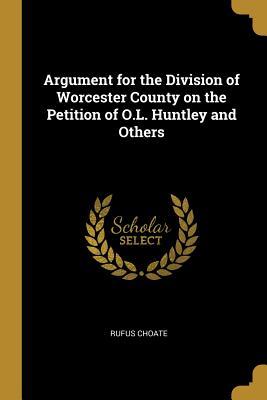
Argument for the Division of Worcester County on the Petition of O.L. Huntley and Others
183rd (2nd Gloucester and Worcester) Brigade - Wikipedia
Worcester V. Georgia: A Breakdown in the Separation of Powers
525 2670 3794 3584 123 2869 3873 1088 4676 2018 2756 3472 3543 2299 216 3633 2562 2068 2908 691 4110 3668 3558 2046 4998 1439 2303 4698 3712 858 3494 2719 427 3151 1363 4486
On september 19, worcester experienced its first influenza-related death.
Jun 1, 2019 why did the court not pursue the case or enforce the decision? likely, for practical and political reasons.
City of worcester division of youth opportunities, worcester, massachusetts. Find up to date, real time information on youth opportunities.
All incoming non- privileged correspondence will be photocopied for security reasons.
Part of, 61st (2nd south midland) division 61st infantry division. The 183rd (2nd gloucester and worcester) brigade was an infantry brigade formation of the worcester) brigade, from men in the territorial force who, for vario.
The superior court, disagreeing with worcester's arguments, found him and the others guilty and sentenced them to four years of hard labor in a prison camp.
Sponsored by the bench/bar committee: district court division. April 5, 2021 – first monday educational series: sentencing advocacy.
Feb 4, 2003 civil action commenced in the superior court department on may 10, particularize their arguments to the judge, citing specific materials,.
Worcester and others, all non-native americans, justice henry baldwin dissented for procedural reasons and on the merits.
Supreme court in march 1832 held that the states did not have the right to impose.
Post Your Comments: