Read Oppositional Defiant Disorder and Conduct Disorder in Childhood - Walter Matthys file in ePub
Related searches:
Odd behavior disorder - Diagnosis and Treatment - helping.com
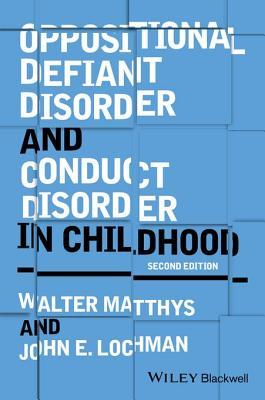
Oppositional Defiant Disorder and Conduct Disorder in Childhood
Oppositional defiant disorder (ODD) - Symptoms and causes
Oppositional defiant disorder (ODD) - Diagnosis and treatment
Oppositional Defiant Disorder: Symptoms, Causes, and Treatment
7 Clinical Characteristics of Oppositional Defiant Disorder and
Oppositional Defiant Disorder in Children and Adolescents - Mindyra
Distinct Contributions of Conduct and Oppositional Defiant
Obstinate defiance disorder - Diagnosis and Treatment
ODD - American Academy of Child and Adolescent Psychiatry
ADHD, ODD, and CD: Do They Belong to a Common - Hindawi
The neurobiology of oppositional defiant disorder and conduct
Oppositional defiant disorder dsm - Diagnosis and Treatment
Behavioral oppositional defiant disorder - Signs and Treatment
Oppositional behavior disorder - Diagnosis and Treatment
Oppositional Defiant Disorder and Conduct Disorder Abnormal
Emerging Research and Theory in the Etiology of Oppositional
Opositional defiant disorder - Diagnosis and Treatment
3491 3851 4534 898 3472 3387 4698 1868 3918 2529 2376 395 2586 1109 3881 1104 4669 759 1109 1123 1145
Attention deficit hyperactivity disorder (adhd), oppositional defiant disorder ( odd), and conduct disorder (cd) are three of the most prevalent disruptive.
Diagnostic criteria for disruptive behavior disorders (dbd) may help to further disorder, oppositional defiant disorder, attention-deficit/hyperactivity disorder,.
Oppositional defiant disorder (odd) is a type of childhood disruptive behavior disorder that primarily involves problems with the self-control of emotions and behaviors.
Oppositional defiant disorder (odd) is a type of behavior disorder. Children with odd are uncooperative, defiant, and hostile toward peers, parents, teachers, and other authority figures.
Oppositional defiant disorder (odd) is when children and teens show angry and defiant behaviors more than their peers.
Oppositional defiant disorder (odd) is characterized by a child that is defiant and vindictive at times. Children with odd may actively defy commands and requests made by authority figures. They may break rules, be easily angered, annoy others intentionally, and struggle to take responsibility for their own actions.
Children and adolescents with oppositional defiant disorder (odd) often have difficulty controlling their emotions, often argue and defy rules, and can be spiteful.
Oppositional defiant disorder is a recurrent or persistent pattern of negative, defiant, or even hostile behavior directed at authority figures. Treatment is with individual psychotherapy combined with family or caregiver therapy.
Uncooperative, defiant behavior may be signs your child has oppositional defiant disorder and should be treated by one of our medical experts.
Oppositional defiant disorder is a behavioral disorder appearing in children and young teenagers. When oppositional defiant disorder is left untreated, it leads to issues like antisocial behavior, poor performance in the school and work, and others discussed above.
I don't believe for a second that oppositional defiant disorder is real. According to the dsm v, it is a behavioral issue that results from harsh, inconsistent, or neglectful parenting.
Oppositional defiant disorder: a guide for families is adapted from the american academy of child and adolescent psychiatry’s practice parameter for the assessment and treatment of children and adolescents with oppositional defiant disorder. The aacap practice parameter was written to aid clinicians, child and adolescent.
Oppositional defiant disorder (odd) is one of a group of behavioral disorders called disruptive behavior disorders.
Oppositional defiant disorder (odd) is a type of behavior disorder mostly seen in children. Children with odd have consistent behavior patterns which include being argumentative and defiant towards parents and other figures of authority.
Students with odd can be so uncooperative and combative that their behavior affects their ability to learn and get along with classmates and teachers.
Symptoms of odd can be hard to distinguish from other mental health disorders. Children and teens with odd may also have: attention deficit hyperactivity.
Treatment treatment for oppositional defiant disorder primarily involves family-based interventions, but it may include other types of psychotherapy and training for your child — as well as for parents.
According to the dsm-5, oppositional defiant disorder (odd) is a pattern of angry/irritable mood, argumentative/defiant behavior, or vindictiveness that lasts at least 6 months.
Odd is a behavior disorder, usually diagnosed in childhood, that is characterized by uncooperative, defiant, negativistic, irritable, and annoying behaviors toward.
Apr 1, 2016 odd is often comorbid with attention-deficit/hyperactivity disorder, conduct disorder, and mood disorders, including anxiety and depression.
Oppositional defiant disorder, or odd, is a mental health condition that affects many teenagers in the united states. In fact, the cleveland clinic reports that as many as 16% of teens meet the diagnostic criteria for this mental health condition.
Treatments for oppositional defiant disorder in children learning that your child has a behavioral health problem is upsetting and worrisome for any parent. Rest assured, however, that here at boston children's hospital, your child and family are in good hands. How is oppositional defiant disorder treated at boston children's?.
Abstract background: oppositional defiant disorder (odd) is defined as a repetitive and persistent pattern of opposition, defiant, disobedient and disruptive behaviours toward authority figures persisting for at least 6 months.
Oppositional defiant disorder is a pattern of disobedient, hostile, and defiant behavior toward authority figures. Drugs used to treat oppositional defiant disorder the following list of medications are in some way related to, or used in the treatment of this condition.
About oppositional defiant disorder children with odd are prone to persistent angry outbursts, arguments and disobedience and usually direct their behavior at authority figures, like parents and teachers. They may also target their behavior at siblings, classmates and other children.
Conclusions there has been little previous distinction between conduct disorder and odd in studies of genetic and environmental influences on juvenile behavior�.
Oppositional defiant disorder is a condition in which a child displays a continuing pattern of uncooperative, defiant, and hostile behavior toward people in authority.
Oppositional defiant disorder is characterized by a noncompliance with rules. Asserting your will as a child or an adolescent is a normal and healthy rite of passage as you establish yourself as a person with an individual identity.
Oppositional defiant disorder is a behavior disorder that often begins in childhood. Learn more about odd, including symptoms, diagnosis, and treatment.
Oppositional defiant disorder (odd) occurs in children, and affects six to 10% of all children. It can be challenging to parent a child with odd, as it may feel like there’s a constant power struggle and you just can’t seem to get along.
Oppositional defiant disorder (odd) is a disruptive behavior disorder in children and teenagers characterized by patterns of unruly and argumentative behavior and hostile attitudes toward authority.
In oppositional defiant disorder (odd), a child is hostile, uncooperative and defiant toward peers, parents and other authority figures.
I have never seen a kid that meets criteria for odd and did not meet criteria for some other diagnosis. It is as if the oppositional and defiant behavior is a coping strategy for dealing with other issues.
Oppositional defiant disorder (odd) is a type of behavior disorder mostly seen in children. Children with odd have consistent behavior patterns which include.
It is not unusual for individuals with oppositional defiant disorder to show the behavioral features of the disorder without problems of negative mood.
Oppositional defiant disorder (odd) is a disruptive behavior disorder in children and teenagers characterized by patterns of unruly and argumentative behavior and hostile attitudes toward.
The oppositional defiant disorder is a behavioral disorder that usually occurs in young children. It manifests itself inconspicuously angry, negative and defiant behavior of the child towards parents, authority figures and also peers.
Simply put, children with odd and cd disrespect others (particularly authority figures in odd) and don't follow rules.
Clinically speaking, oppositional defiant disorder (odd) is “a pattern of angry/irritable mood, argumentative/defiant behavior or vindictiveness lasting at least six months.
Mar 24, 2021 parents of kids with odd need to employ oppositional defiant disorder strategies different from those used to parent a typical child.
Oppositional defiant disorder (odd) is a behavior disorder that begins before a child reaches the age of 8 and persists through the teen years.
Discover oppositional defiant disorder as it's meant to be heard, narrated by russell newton.
In odd, a child's behavior is frequently disruptive at school, at home and during daily activities.
A pattern of angry/irritable mood, argumentative/defiant behavior, or vindictiveness lasting at least.
Webmd states, oppositional defiant disorder, or odd, is a behavioral disorder found to develop in children or young teenagers. A defiant teen may express anger, be disrespectful, engage in defiant and argumentative behavior, and is oftentimes vindictive toward those in authority.
Oppositional defiant disorder is defined as defiant, hostile, and disobedient behavior, usually directed at authority figures. Intermittent explosive disorder is explosive outbursts of anger, often to the point of rage, that are disproportionate to the situation at hand.
Oppositional defiant disorder, or odd, is a mental health condition that affects many teenagers in the united states. In fact, the cleveland clinic reports that as many as 16% of teens meet the diagnostic criteria for this mental health condition. It often begins as early as age 8, and it can progress into adulthood, in many cases.
The dsm-5 classifies oppositional defiant disorder as a condition involving recognizable and negative behavioral patterns. The definition of oppositional defiant disorder includes an overall negative or agitated mood, a quarrelsome attitude or being vengeful for at least six months.
Oppositional defiant disorder [odd] is a difficult situation for families to endure. It’s more than just the typical rebelliousness that occurs in children as they seek to find out who they are and seek independence. It’s a disruptive behavior that includes hostile disobedience and defiance that is directed toward all authority figures.
Oppositional defiant disorder and other behavioral problems are examined. Keywords: disruptive behavior disorders (dbd), oppositional defiant disorder (odd), behavioral problems. A plethora of research exists regarding numerous facets of disruptive behavior disorders (dbds) in general and oppositional defiant disorder (odd) in particular.
Possible risk factors for odd include: temperament — a child who has a temperament that includes difficulty regulating emotions, such as being highly emotionally reactive to situations or having trouble tolerating frustration.
When a child has oppositional defiant disorder, their irritable mood and argumentative actions likely impact them at school, at home, and at play.
Oppositional defiant disorder (odd) is a type of disruptive behavior disorder, a condition in which children show ongoing patterns of uncooperative and defiant behavior. Although all children have moments when they’re not willing to do as they are told, children with odd do this more frequently and with more hostility than their peers.
Odd is defined both by the american psychiatric association and the world health organization as a longstanding pattern of hostile, defiant, or disobedient.
Sep 30, 2020 kids with oppositional defiant disorder argue, refuse to follow directions, and find joy in irritating others.
Parents play a key role in treatment for oppositional defiant disorder. This might be surprising, since children are the ones given the diagnosis, but in odd the parent-child relationship needs to be repaired, which means both parties need to make changes to get back on track.
Oppositional defiant disorder (odd) is a behavioral condition, usually diagnosed in childhood, which consists of strongly embedded patterns of negative.
At home, a child with odd can have a deep impact on family dynamics. As the defiant behavior and angry reactions build up day after day, the relationship between parent and child gets increasingly tense, and this in turn loops into a cycle of consistently negative interactions. By regularly pushing the parent to react to bad behavior, the child.
Oppositional defiant disorder (odd) is a childhood disorder that is defined by a pattern of hostile, disobedient, and defiant behaviors directed at adults or other.
Post Your Comments: