Read Online Co-Sleeping: Parents, Children, and Musical Beds - Susan D. Stewart | ePub
Related searches:
Why Kids Need Sleep and How Parents Can Help Parents
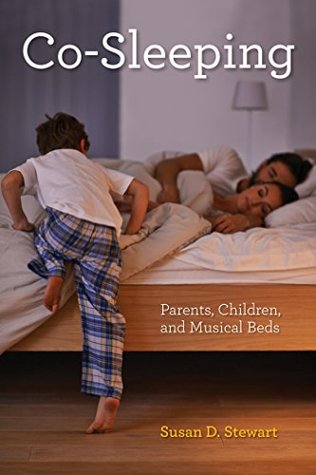
Co-Sleeping: Parents, Children, and Musical Beds
Co-Sleeping: Parents, Children, and Musical Beds: Stewart
Amazon.com: Co-Sleeping: Parents, Children, and Musical Beds
Co-Sleeping: Parents, Children, and Musical Beds by Susan D
Co-Sleeping Benefits and Drawbacks: A Parent's Guide Parents
Co-Sleeping and Bed Sharing — Pros and Cons, Safety for Babies
Cosleeping Information and Advice Sleep.Org
Co-Sleeping During Infancy and Early Childhood - Faculty Websites
Co-Sleeping: Parents, Children, and Musical Beds - Susan D
Co-Sleeping: The Pros and Cons of a Family Bed
How Cosleeping Can Help You and Your Baby
How Co-Sleeping Benefits Bonding Between Parent and Baby
Co-Sleeping Pros and Cons Research
Co-Sleeping With Children and Infants - Mother Mag
Should Babies Co-Sleep With Their Parents? : 13.7: Cosmos And
Cosleeping and Biological Imperatives: Why Human Babies Do Not
Bed Sharing in Toddlerhood: Choice Versus Necessity and Provider
The Dangers of Co-Sleeping With an Older Child and 6
Is Co-Sleeping with Toddlers OK? Safety, Benefits, and Drawbacks
Myths and Truths About Co-Sleeping - the Bump
1986 163 274 688 1608 4935 795 184 2249 1610 4875 3012 1621 2139 3527 1669 4075 4690 3384 2016 1153 2219 4150 3635 3182 1043 2601 4230 4840
Many parents fall into co-sleeping as they struggle to get enough sleep in the first few months with a newborn, says allison briggs, founder of sweet dreams sleep solutions in vancouver. Others set out to co-sleep with their kids as a way to promote attachment.
May 29, 2018 babies who are born premature or whose parents smoke shouldn't sleep in the parents' bed because of potential respiratory problems.
Here are just some of the ways that co-sleeping acts as crucial bonding experience for parents and children. Defined as the action of sleeping close to a child, co-sleeping is an act in which babies sleep in the same room as their parents.
Co-sleeping is a controversial issue: the american academy of pediatrics (aap) says parents should never let their baby sleep in the bed with them—citing the risk of suffocation, sudden infant.
Jun 7, 2017 according to a recent study, about half of parents who co-sleep with their children lie about it because they're afraid of mom shaming.
Recent studies indicate that near epidemic proportion of children are co-sleeping with parents today. According to parenting's momconnection, a surprising 45% of moms let their 8- to 12-year-olds sleep with them from time to time, and 13% permit it every night.
Co-sleeping takes readers inside the reality of co-sleeping for a diverse range of families in america, with varying family structures, races, incomes, and education levels, and with children from infants to teens. Drawing on original research and extensive interviews with real parents—both fathers and mothers—author susan stewart goes.
Methodologies for studying parent–infant co-sleeping, physical and social characteristics of the child's sleep environment, associations between sleep location.
Co-sleeping is perfectly safe co-sleeping parents are often practicing a form of attachment parenting that finds parents keeping kids close at all times so their needs can be attended to promptly and without stress. They often espouse the opinion that co-sleeping is a perfectly safe and natural way for parents to raise their children.
He reminds parents that co-sleeping gives the parent the best opportunity to hear the baby in crisis and to respond.
Becoming a parent enters you into a completely new and sometimes overwhelming world. Everything you don't want to happen will happen, and you might find yourself begging for privacy and alone time.
The national foster parent association describes foster parenting as a protective service to children and their families when families can no longer care for their children. Issues like misuse of drugs and alcohol, poverty and a parent’s.
Try these strategies to fit more sleep into your days and nights. To revisit this article, visit my profile, then view saved stories.
This slim, interesting book reports the author’s exploratory study of the phenomenon of co-sleeping in us families. Prompted by recent media attention debating the good and bad associated with infants, toddlers, and young children sleeping with or near their parents, stewart does not take sides.
Co-sleeping is a practice in which babies and young children sleep close to one or both parents, as opposed to in a separate room.
Co-sleeping—parents and children sharing a bed—can be a fraught topic for parents. Some experts recommend parents never bring children into bed with them, while other experts extol the benefits of parents and children sharing a sleep space.
A poll has revealed a surprising number of parents lie about this potentially dangerous practice. A poll reveals a surprising number of parents lie about co-sleeping with their kids.
May 14, 2020 with all of the covid-related changes and free floating anxiety we are all experiencing, parents can be a little more flexible in terms of addressing.
The factors that predispose parents to share a room or bed with their children during the night are different between cultures, and reflect differences in child- care.
In this context, co-sleeping is usually taken to mean one or both parents sleeping in the same bed as the child or children.
The arrival of a new baby is one of life’s most joyful moments. If you have friends or family who have recently become new parents, chances are you’ll want to reach out to congratulate them, show your support, and offer help.
Many parents worry that co-sleeping will cause their children to be dependent on their parents longer, however, according to the university of notre dame's mother-baby behavioral sleep lab,.
Nov 10, 2011 a recent infant death has led to renewed questions about the safety of infant- parent co-sleeping.
A study reported in jama pediatrics found the percentage of infants sharing their parents' beds more than doubled between 1993 and 2010.
Most parents have a natural inclination to sleep protectively near their babies, and data suggest that cosleeping is on the increase. Centers for disease control and prevention survey found that more than half (61 percent) of american babies bedshare at least some of the time.
For the overwhelming majority of mothers and babies around the globe today, cosleeping is an unquestioned practice. In much of southern europe, asia, africa and central and south america, mothers and babies routinely share sleep. In many cultures, cosleeping is the norm until children are weaned, and some continue long after weaning.
For example, co-sleeping with an infant may prevent parents from getting a good night’s sleep (and full range of motion) for fear of rolling onto their infant. The parents’ bedtimes might be dictated by the child’s bedtime. Also, the restless movements of an older child during sleep often makes co-sleeping unacceptable to many parents.
Parents of co-sleepers know that children who sleep in their parents” room have no reason to be afraid of bedtime. As they grow older and move into their own rooms, they have positive, secure images of sleeptime.
Many parents fall into co-sleeping as they struggle to get enough sleep in the first few months with a newborn, says allison briggs, founder of sweet dreams sleep solutions in vancouver. Others set out to co-sleep with their kids as a way to promote attachment. Regardless of why parents start, there often comes a point when they’re ready to stop.
The practice of bed-sharing — parents sharing a bed with their infant — is a hot topic. Co-sleeping: this is when a parent and child sleep within a “sensory”.
Overview co-sleeping—parents and children sharing a bed—can be a fraught topic for parents. Some experts recommend parents never bring children into bed with them, while other experts extol the benefits of parents and children sharing a sleep space.
Despite this evidence, some parents praise co-sleeping because it promotes bonding, helps children feel safe, and makes nursing easier.
Co-sleeping means sleeping in close proximity to your baby, sometimes in the same bed and sometimes nearby in the same room (room-sharing). But it’s not a healthy practice: the american academy of pediatrics (aap) warns against bed-sharing because it increases a baby’s risk for sids.
Post Your Comments: