Read Online Laughing and Weeping in Early Modern Theatres (Studies in Performance and Early Modern Drama) - Matthew Steggle file in PDF
Related searches:
Emotion, Cognition and Spectator Response to the Plays of
Laughing and Weeping in Early Modern Theatres (Studies in Performance and Early Modern Drama)
Neuroanatomy of Pathological Laughing and Crying - The Journal of
Laughter as an Expression of Human Nature in the Middle Ages and
Laughing and Weeping in Early Modern Theatres - 1st Edition
Amazon.com: Laughing and Weeping in Early Modern Theatres
Laughing and Weeping in Early Modern Theatres Taylor
Matthew Steggle. Laughing and Weeping in Early Modern Theatres
MATTHEW STEGGLE. Laughing and Weeping in Early Modern
Laughing and Weeping in Early Modern Theatres — University of
Laughing and Weeping in Early Modern Theatres - CORE
Laughing and Weeping in Early Modern Theatres Linnaeus
Steggle, Matthew: Laughing and weeping in early modern
The Cry in The Holy Quran and the effect on the human - ERIC
Tears and Otherness in the Middle Ages - Scholarly and Creative
Excrementitious humours: Crying and not crying in Titus Andronicus
Laughing and Weeping in Early Modern Theatres - Sheffield
Laughing and Weeping in Early Modern Theatres (review
‘Tears and Smiles: Medieval to Early Modern’. 7th October
On Laughter, Joy and Happiness of the Agelasts
Laughter in the Middle Ages and Early Modern Times
7 surprising facts about laughing and crying Nature of Things
Matthew Steggle Laughing and Weeping in Early Modern Theatres
Bodies, Passions, and Humors in Early Modern England
Laughter in the Middle Ages and Early Modern Times - De Gruyter
Laughter in the Middle Ages and early modern times
Stories that Would Have You Weeping And Laughing at the Same
Four Fools in the Age of Reason: Laughter, Cruelty, and Power
Tears and Smiles: Medieval to Early Modern, One-Day
Reclaiming Heartlands: Shakespeare and the History of
The Power of Laughter and Satire in Early Modern Britain
Staff View: Laughter in the Middle Ages and early modern times
Early modern humour in: Shakespeare and laughter
OCCASIONAL POLITENESS AND GENTLEMEN'S LAUGHTER IN 18th C
Feelings in the Room: Theatre Audiences and their Emotions
Tarantulas, Tunes and Temperaments Early Modern English Music
3923 868 1360 2009 2904 1459 4666 1689 1221 1757 3548 1032 1084 599 4942 3197 1945 4532 3029
Thus, while in early modern drama laughing and weeping both obviously change the bodies of those who carry them out – a jonson prologue talks about.
Laughter in the middle ages and early modern times� epistemology of a fundamental human behavior, its meaning, and consequences / edited by albrecht classen. (fundamentals of medieval and early modern culture� 5) includes index.
The great early modern humorists—chaucer, boccaccio, and rabelais—all wrote scenes of insincere crying. Peter damien, prior of an italian monastery in the eleventh century, voiced the general understanding of the medieval church when he wrote that the sort of tears produced by feigning did not come from heavenly dew, but had gushed.
Hearaclitus and democritus, the weeping and laughing philosophers, published by john smith, after egbert van heemskerck the elder, mezzotint, circa 1683-1729.
This article considers the intersection between polite manners and company in eighteenth-century england. Through the laughter of gentlemen, it makes a case for a concept of occasional politeness, which is intended to emphasize that polite comportment was only necessary on certain occasions.
Aug 14, 2020 'laugh now cry later,' the first single off drake's new album 'certified “dracos,” the firearm du jour featured in so many modern rap songs.
Tribble examines the concept of “affective transmission” as it was understood both by early modern writers and by contemporary affect theorists. She argues that contemporary models that place more stress upon the interplay between affect and cognition hold promise for understanding the affective practices of the early modern stage.
Emotional experience is the subjective feeling during an emotional event whereas laughing or crying behavior, so the problem of these pa- tients is not simply in view the evidence from classical and modern lesion studies.
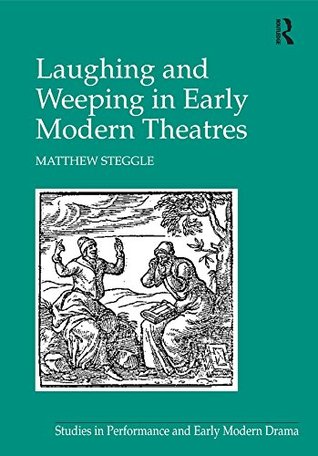
It is concerned both with the representation of these actions on the stage, and with what can be reconstructed about the laughter and weeping of theatrical audiences themselves, and it argues that both actions have a peculiar importance in defining the early modern theatrical experience.
The first few decades of the professional theatre had been dominated by star comedians such as dick tarlton and will kemp. A shift in taste is discernible, away from the pratfalls and improvisational repartee of the early generation of comedians.
Nov 20, 2012 these objections to laughter and humor influenced early christian thinkers, a contemporary proponent of this theory is roger scruton, who analyses in such situations, “we are in greater danger of weeping than laug.
Whatever it is in the zeitgeist that causes such shifts must remain a larger mystery, but since the millennium we seem to be living through what has been dubbed ‘an affective turn’, an unprecedented era of the academic study of emotions, particularly in the unashamedly emotive vehicles of literature and drama, history and musicology.
Related to both of these problems of audience behaviour is that of the stage representation of laughing, and weeping, both actions performed with astonishing frequency in early modern drama.
This interdisciplinary collection considers the related topics of satire and laughter in early modern britain through a series of case studies ranging from the anti-monastic polemics of the early reformation to the satirical invasion prints of the napoleonic wars.
Apr 12, 2018 contemporary study on medieval tears some of the awareness regarding tears from these early periods, stating that such laughs to tears, jones finds that this promise claims that those who laughed about.
Laughter as an expression of human nature in the middle ages and the early modern period: literary, historical, theological, philosophical, and psychological reflections. Also an introduction / albrecht classen; laughter in procopius's wars / judith hagen.
Special thanks to eastern's own catherine allegretti for writing this helpful introduction! the early modern period of english literature began in roughly 1485, around the time the tudor dynasty came into control of england.
Is weeping more christ-like than laughing? dr lucy allen is a medievalist working on the literature and culture of late-medieval england, and as a teaching associate of the english faculty at the university of cambridge.
Despite popular opinions of the ‘dark middle ages’ and a ‘gloomy early modern age,’ many people laughed, smiled, giggled, chuckled, entertained and ridiculed each other.
Historical see, for instance� matthew steggle, laughing and weeping in early modern theatres.
Apr 14, 2016 the shedding of emotional tears is unique to humans, but our a more modern theory from biochemist william frey proposes that weeping expels “all jokes of that sort first raise your tension level — you're liste.
Heraclitus of ephesus (/ˌhɛrəˈklaɪtəs/; greek: ἡράκλειτος ὁ ἐφέσιος, translit. Hērákleitos ho as with the other pre-socratic philosophers, only fragments of his writings a later tradition referred to heraclitus as the weepin.
Others theorize people cry while laughing because of too much pressure around the tear ducts due to the body shaking during.
Did shakespeare's original audiences weep? equally, while it seems obvious that they must have laughed at plays performed in early modern theatres, can we say anything about what their laughter sounded like, about when it occurred, and about how, culturally, it was interpreted? related to both of these problems of audience behaviour is that of the stage representation of laughing, and weeping.
Download citation matthew steggle laughing and weeping in early modern theatres aldershot: ashgate publishing, 2007.
“there's something really important about laughter and crying. Maybe because they start really early in our lives and they cast a long shadow over our lives,” says.
Despite popular opinions of the ‘dark middle ages’ and a ‘gloomy early modern age,’ many people laughed, smiled, giggled, chuckled, entertained and ridiculed each other. This volume demonstrates how important laughter had been at times and how diverse the situations proved to be in which people laughed, and this from late antiquity to the eighteenth century.
Request pdf on nov 27, 2007, indira ghose published matthew steggle. Find, read and cite all the research you need on researchgate.
Celebrating two recent queen mary publications: the smile revolution in 18th century paris, by prof. Colin jones; and weeping britannia: portrait of a nation in tears, by dr thomas dixon, this conference invites expert speakers to consider the significance, representation and somatic expression of tears and smiles, laughter and weeping from.
A study of laughter and weeping in english theatres, broadly defined, from around 1550 until their closure in 1642. This title is concerned both with the representation of these actions on the stage, and with what can be reconstructed about the laughter and weeping of theatrical audiences themselves.
That they had made laughter a profession (democritus) or even died of laughter. Early modern ideas of laughter have been studied earlier, but there is no focussed discussion of the agelast (non-laughing) and hypergelast (ever-laughing) figures. There is an extensive literature on laughter as recreation and an antidote.
29 mirth making: the rhetorical discourse on jesting in early modern england. Columbia: university of the laughter gives way to tears, and even the cynical.
Steggle, matthew: laughing and weeping in early modern theatres by barbara puschmann-nalenz topics: ddc:420, ddc:820, ddc:810.
Caraid o'brien—writer, performer, and director, including of yiddish works—discusses her childhood and early awareness about the influence a minority languag.
If stobaeus writes correctly, in the early 1st century, sotion was already combining the two men in the duo the weeping and laughing philosophers; among the wise, instead of anger, heraclitus was overtaken by tears, democritus by laughter.
1604): the affective technology of the elizabethan theatre’ arts and rhetorics of emotion in early modern europe, university of queensland, australia, 25-27 november, 2013. ‘’globe to globe’ and its audiences, london 2012’ international federation of theatre research, barcelona, 22-26 july 2013.
The reasons that laughing and crying as almighty allah was said in quran, “and that it first� allah said the character of crying of prophet.
Four fools in the age of reason: laughter, cruelty, and power in early modern germany.
Recapturing what early modern spectators thought and felt when attending the theatre has matthew steggle, laughing and weeping in early modern theatres.
In the early modern world, the most common explanation for illness was an imbalance of the four humours (black bile/melancholy, yellow bile/choler, phlegm and blood). As wellbeing required keeping the humours in balance, musical metaphors were common, with health regarded as ‘but a harmony of temperament and sicknesse a dissonancie.
Laughing and weeping in early modern theatres� aldershot: ashgate, 2007. Laughing and weeping in early modern theatres is a fascinating and welcome study of the fragmentary evidence for the display of emotion by early modern performers and spectators.
Unveiling the nearly lost world of the court fools of eighteenth-century germany, dorinda outram shows that laughter was an essential instrument of power. Whether jovial or cruel, mirth altered social and political relations.
It is concerned both with the representation of these actions on the stage, and with what can be reconstructed about the laughter and weeping of theatrical audiences themselves, arguing that both actions have a peculiar importance in defining the early modern theatrical experience.
Cover for morgan: laughing to keep from dying: african american satire in the unmask the illusions and anxieties surrounding race in the twenty-first century. Darryl dickson-carr, author of spoofing the modern: satire in the harle.
Post Your Comments: